
Tadalafil (Cialis), is a phosphodiesterase type 5 inhibitor and is used to treat erectile dysfunction. It’s been speculated that since cialis (tadalafil) is a vasodilator that improves blood flow it may help hair loss by causing improved hair growth through enhanced blood flow to the scalp however it doesn’t target the underlying biological pathways responsible for hair follicle growth or regeneration. While blood flow is essential for delivering nutrients to hair follicles, it’s not sufficient on its own to reverse hair loss caused by androgenetic alopecia.
Although minoxidil and cialis are both vasodilators, it’s not commonly believed anymore by researchers that Minoxidil’s hair growth effects are solely attributed to its potential to improve blood flow to the scalp, as it is the only vasodilatory drug that causes hypertrichosis. Minoxidil uniquely activates the WNT/β-Catenin Pathways, whereas Cialis/Viagra and other potent vasodilators do not.
In simpler terms, hypertrichosis refers to excessive hair growth across the body. Minoxidil is known to cause this side effect, particularly in higher oral doses, and its believed this is due to its effects on the WNT/β-Catenin pathway. In contrast, Cialis, despite being a potent vasodilator, does not induce hypertrichosis, indicating its mechanism of action does not overlap with minoxidil’s hair growth pathways.
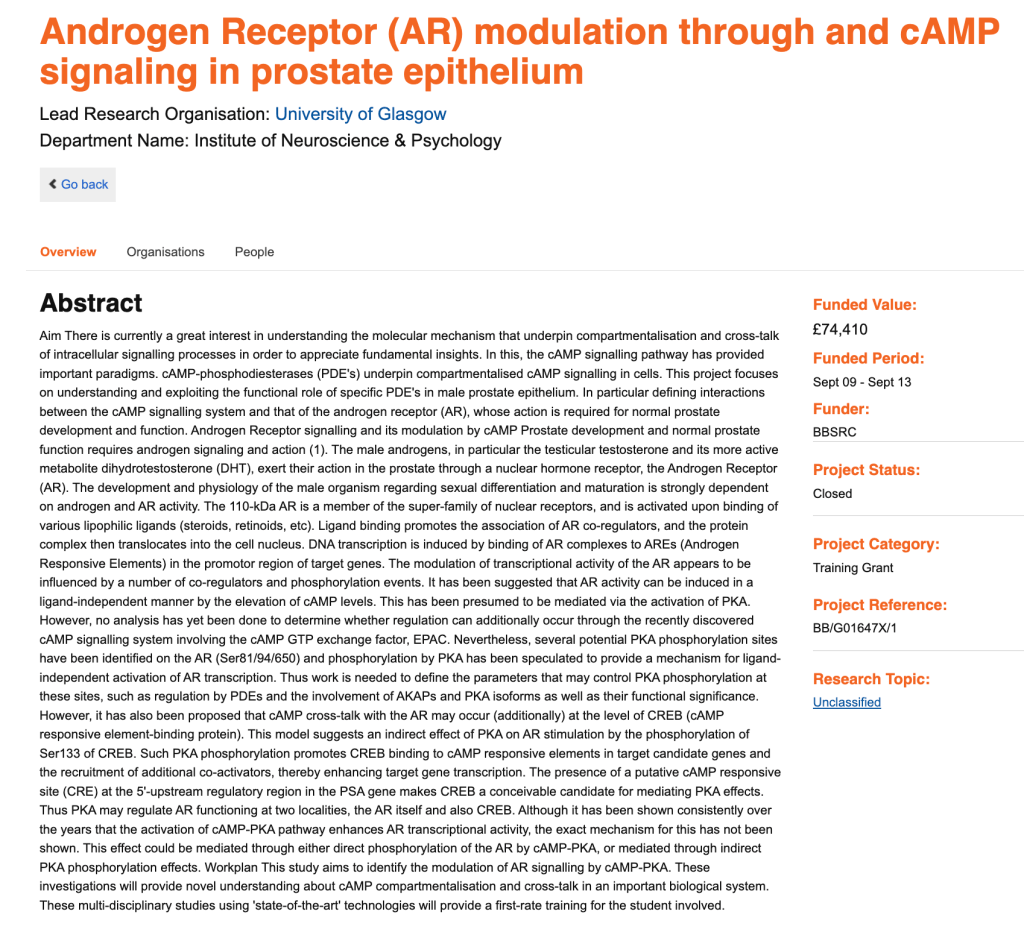
Tadalafil (Cialis) is a substance that increases intracellular cyclic adenosine monophosphate (cAMP) concentrations, which may have both direct and indirect effects on androgen-mediated gene transcription. How does cAMP interact with the AR?
- cAMP activates a protein called PKA (protein kinase A). PKA can directly add a phosphate group to ARs at certain spots (like Ser81/94/650). This modification might activate the AR even without androgens – which is known as “ligand-independent activation”.
- PKA also affects a protein called CREB, which binds to DNA and helps recruit co-activators to boost AR’s gene-activating ability.
Clearly there is a link to hair loss, but how significant is it?
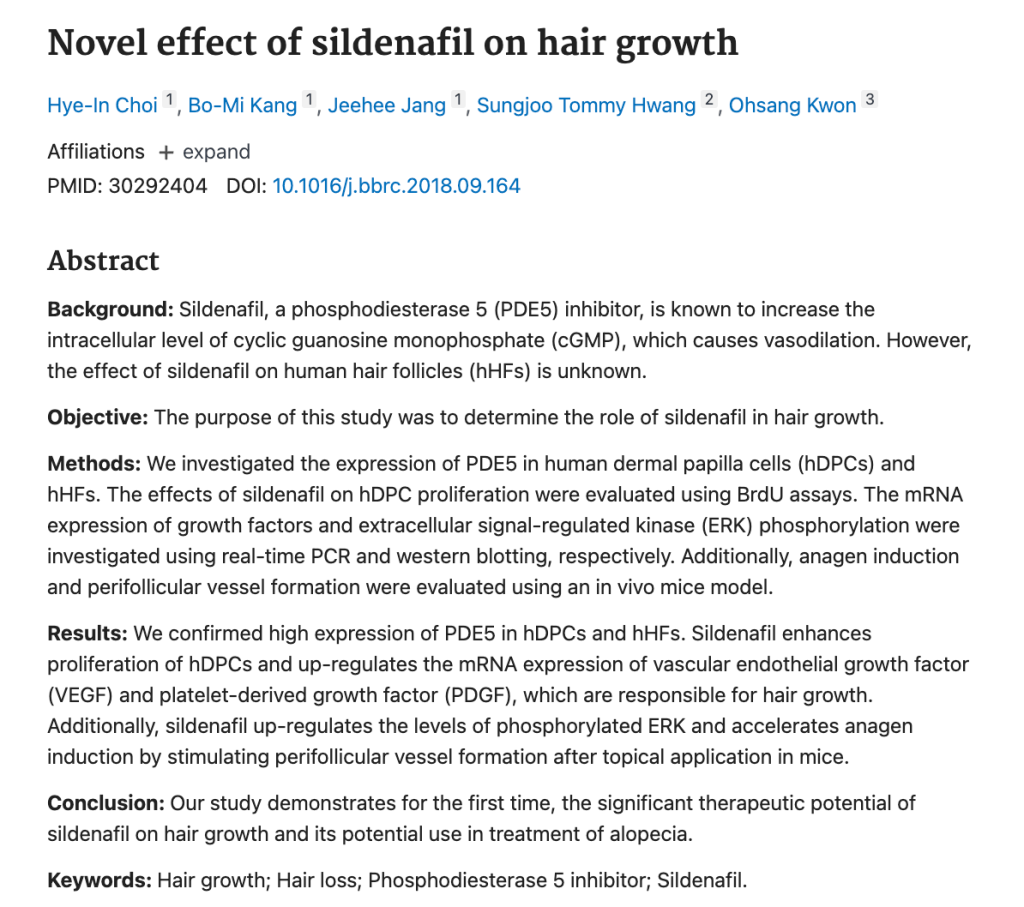
Well there is very limited research showing the extent to androgen receptor activation, and what kind of effects this independent activation would have on the hair follicle. Tadalafil also has a relatively short half life of ~24 hours so a transient increase in AR activation may not lead to any significant changes. Ultimately its effect on androgenic alopecia is likely to be mild if not negligible. As far as I’m aware there has not been any significant association between PDE5 Inhibitors and androgenic alopecia. There are also novel studies on another PDE5 inhibitor called ‘sildenafil’ helping treat hair loss .
If there was an effect how can I minimize it?
Tadalafil may upregulate androgen receptors in the muscle tissue, so taking it before a workout could have a targeted AR upregulation and activation in muscle tissue. It’s possible it’s AR activation may be selective to muscle tissues if taken before resistance training however that’s completely speculation.
Refrences:
Choi HI, Kang BM, Jang J, Hwang ST, Kwon O. Novel effect of sildenafil on hair growth. Biochem Biophys Res Commun. 2018 Nov 2;505(3):685-691. doi: 10.1016/j.bbrc.2018.09.164. Epub 2018 Oct 3. PMID: 30292404.
 Intelligent Personal Training