
Melanotan II is an illegal analog of alpha-melanocyte-stimulating hormone, a natural hormone that affects the body’s production of melanin and causes the skin to darken. Currently, there is an FDA-approved analog of this hormone, Melanotan I (also known as Afamelanotide), which is used to treat people with photosensitivity disorders that cause them to burn easily in the sun erythropoietic protoporphyria (EPP). Melanotan I has been shown to be safe and effective for this use, with no evidence to suggest that it causes skin cancer in vitro or in vivo, hence its FDA approval.
While it was initially theorized that Melanotan II’s antioxidant effects might protect against skin cancer, the recent case studies suggest otherwise. The theory on how Melanotan II can cause cancer, is it directly stimulates melanocytes to produce more melanin. If melanocytes are overactivated or stimulated excessively, there’s a potential for DNA damage or abnormal cell proliferation, which can increase the risk of developing melanoma.
There are a few case reports of melanoma associated with Melanotan II. For instance the one seen below.

Case reports do rank at the bottom of the scientific hierarchy of evidence, however combined with the theoretical link between Melanotan2-Melanoma it simply isn’t worth the risk for 99.9% of people.

Its also important to understand your individual genetic predispositions to skin cancer. Certain gene variants, such as the MC1R variant commonly found in red-headed individuals, can increase sensitivity to sun damage and melanoma risk. To elucidate this you can undergo genetic testing to identify potential predispositions to skin cancer. If you’re unwilling to undergo it, you can examine your family history, while not as precise as genetic testing, examining the causes of death and health conditions of family members can offer insights into potential genetic risks. Sun protection, and limiting sun exposure will drastically reduce your risks.
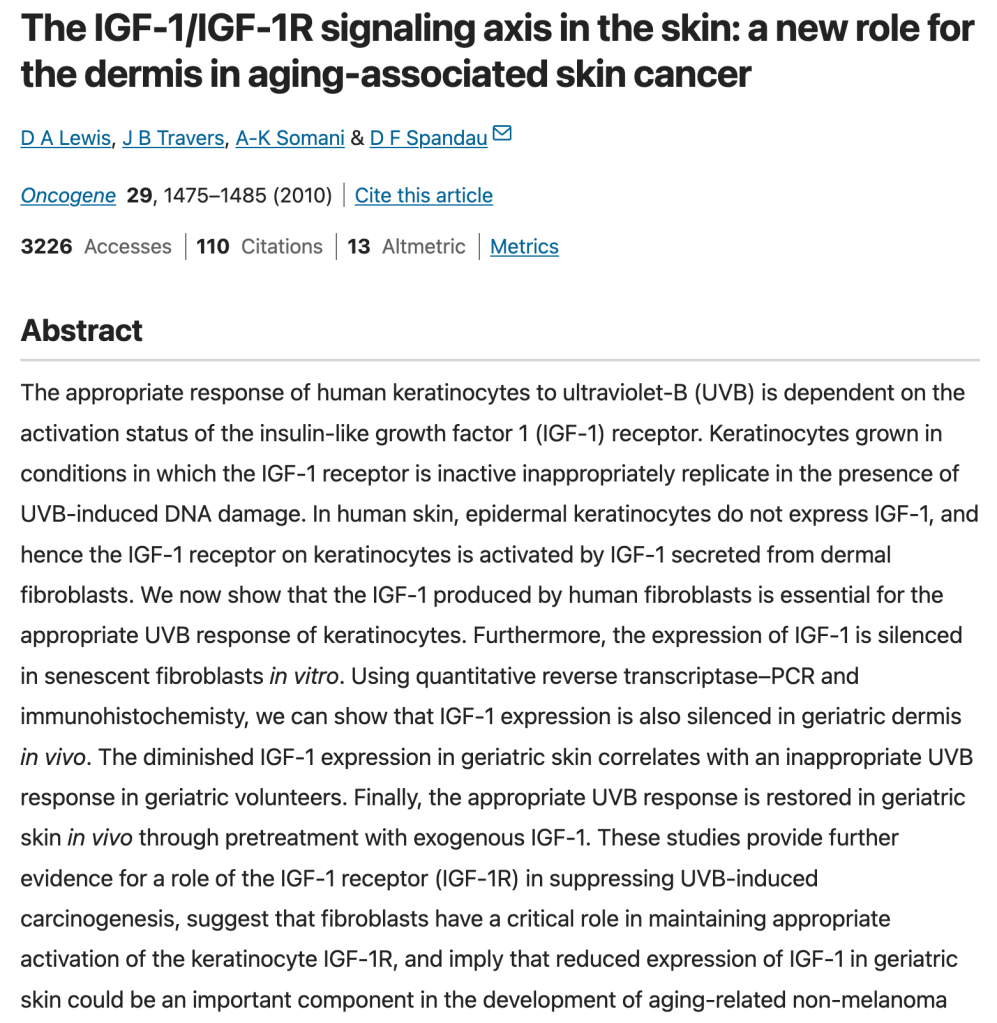
There are other risk factors for skin cancer besides Melanotan II use, with IGF-1 being a significant contributor to aging and cancer development. This is something overlooked by bodybuilders who claim Melanotan II caused them to develop skin cancer. High IGF-1 levels, often seen in bodybuilders due to their diets, exercise regimens, and use of supplements like anabolic steroids, growth hormones, and insulin, can accelerate aging and increase cancer risk. It’s important to understand individual genetic predispositions to skin cancer.
Ultimately, while Melanotan II may initially seem like a way to achieve a tan without sun exposure, its potential risks, including skin cancer, should not be overlooked. Individuals concerned about skin cancer risk should focus on evidence-based strategies like sun protection, limiting sun exposure, and understanding their genetic predispositions.
 Intelligent Personal Training